Or call us at 209-879-9367 — we'll answer Mon–Fri, 8 AM to 4:30 PM.📍 1973 N. Tracy Blvd., Tracy, CA 95376
Schedule OnlineBy Mike Wesselink, DVM, The Pet Advocate in Tracy, CA
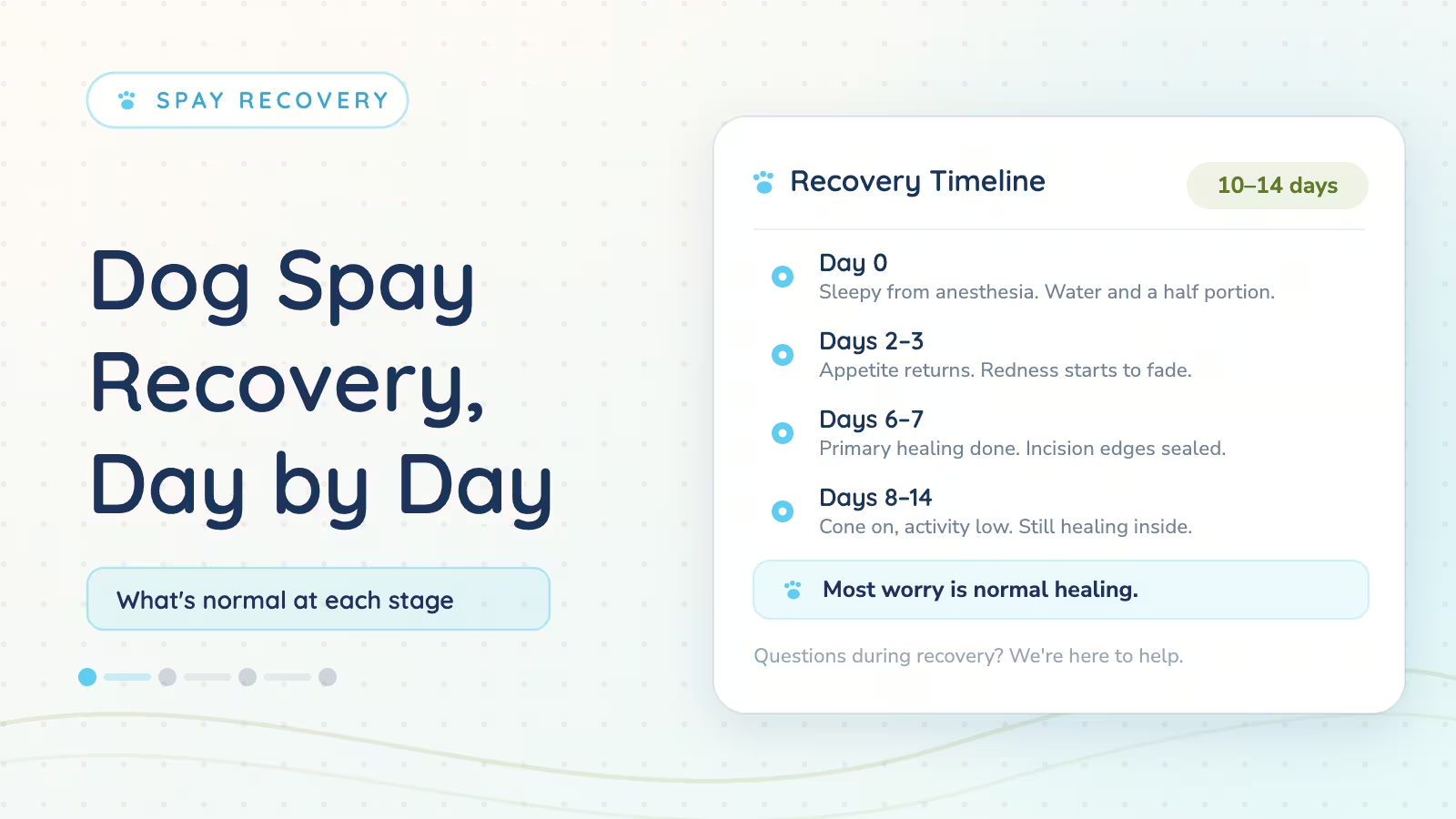
Most dogs recover from a spay in about 10 to 14 days. The skin closes within a week, and the tissue underneath keeps mending for a few weeks after that. Your job is short: keep your dog rested and leave the cone on. Check the incision once a day.
I am a veterinarian at a spay and neuter clinic in Tracy, and we do around 40 surgeries a day. The owner questions land in the same few places. Most of the worry comes from things that turn out to be normal.
This guide walks you through recovery one day at a time. You will see what a healthy incision looks like and when your dog can eat and move again. It also covers the handful of signs that mean you should call us.
Most dogs recover from a spay in 10 to 14 days. The external incision closes within about a week, while the tissue underneath heals for a few more weeks. Keep your dog rested and leashed for bathroom breaks. Leave the cone on, and look at the incision once a day.
A spay removes a dog's ovaries, and in most cases the uterus. The medical name is an ovariohysterectomy. It is abdominal surgery, so the incision sits on the lower belly and runs about one to three inches long.
The skin you can see heals faster than the layers underneath. That is why recovery runs the full two weeks even when the incision looks fine after a few days. Your dog feels better long before the inside finishes healing.
Every dog moves through this at its own pace. The dates are a guide, not a deadline.
Your dog comes home sleepy from anesthesia. Set up a quiet spot with soft bedding and low light. Keep other pets away for the first three to five days, which limits rough play and stops another dog from licking the incision.
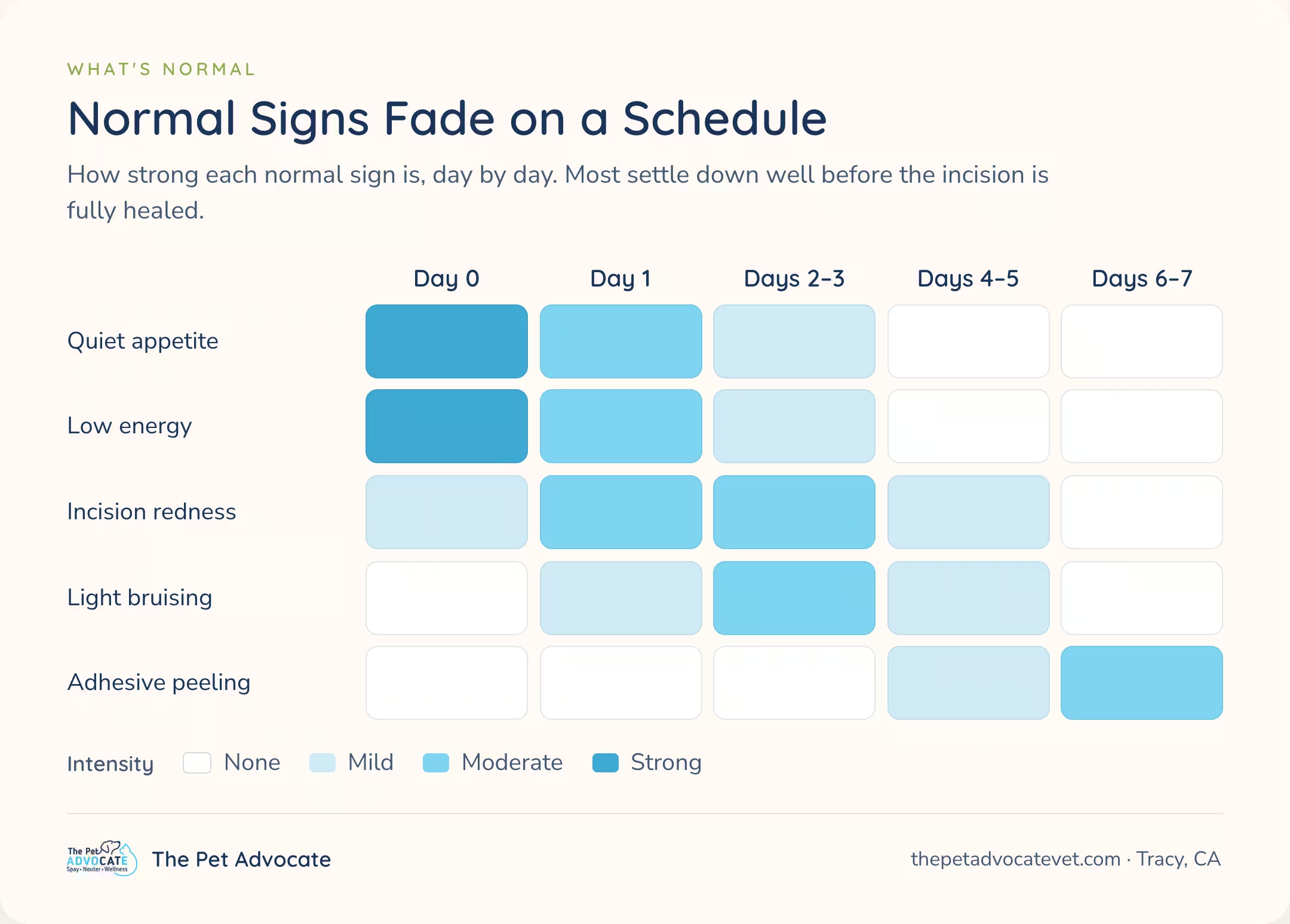
Offer water and a half portion of food the evening of surgery. The most common call we get is an owner worried their dog will not eat that first afternoon. A quiet appetite the day of surgery, and even the day after, is normal.
Appetite comes back the next day for most dogs. A few take two or three days.
If we send pain medication home, follow the label on the bottle. Never give human pain relievers, since many are toxic to dogs even in small doses.
Most of our spay patients go home without antibiotics. We reserve them for the rare case where the surgery ran long. If your dog seems painful past the first day or two, call us before adding anything on your own.
A healthy incision looks clean, with edges that sit together and a little redness in the first few days. That redness fades within three to five days. You should not see large swelling, and you should not see sutures on the outside.
We close incisions with absorbable sutures and seal the surface with a tissue adhesive. The adhesive does not hold the incision shut. It seals the surface from contaminants while the deeper layers heal, then peels off on its own after about a week. Owners often call when they spot it lifting, and that peeling is part of healing.
Because the sutures dissolve, most of our patients never need a suture-removal visit.
The cone stays on for the full 14 days. Primary healing finishes around day 7, but a dog can reopen the incision with a few minutes of licking, even one that looks healed. A soft recovery suit works for some dogs if the cone causes too much stress. You can compare your dog's incision against aftercare photos from the ASPCA Spay/Neuter Alliance if you are unsure what is normal.
Restricted activity does more for healing than anything else you can do at home. The incision you can see closes fast. The body wall underneath is still knitting together.
Keep your dog on a leash for bathroom breaks, and keep walks short and flat. Skip running, jumping on furniture, stairs, and rough play with other pets. Larger or older dogs sometimes need a longer stretch of rest.
The hard part lands around days 3 to 5, when your dog feels well and wants to move. Frozen food puzzles and lick mats give a restless dog something to do. Short, calm training sessions help too, without straining the incision.
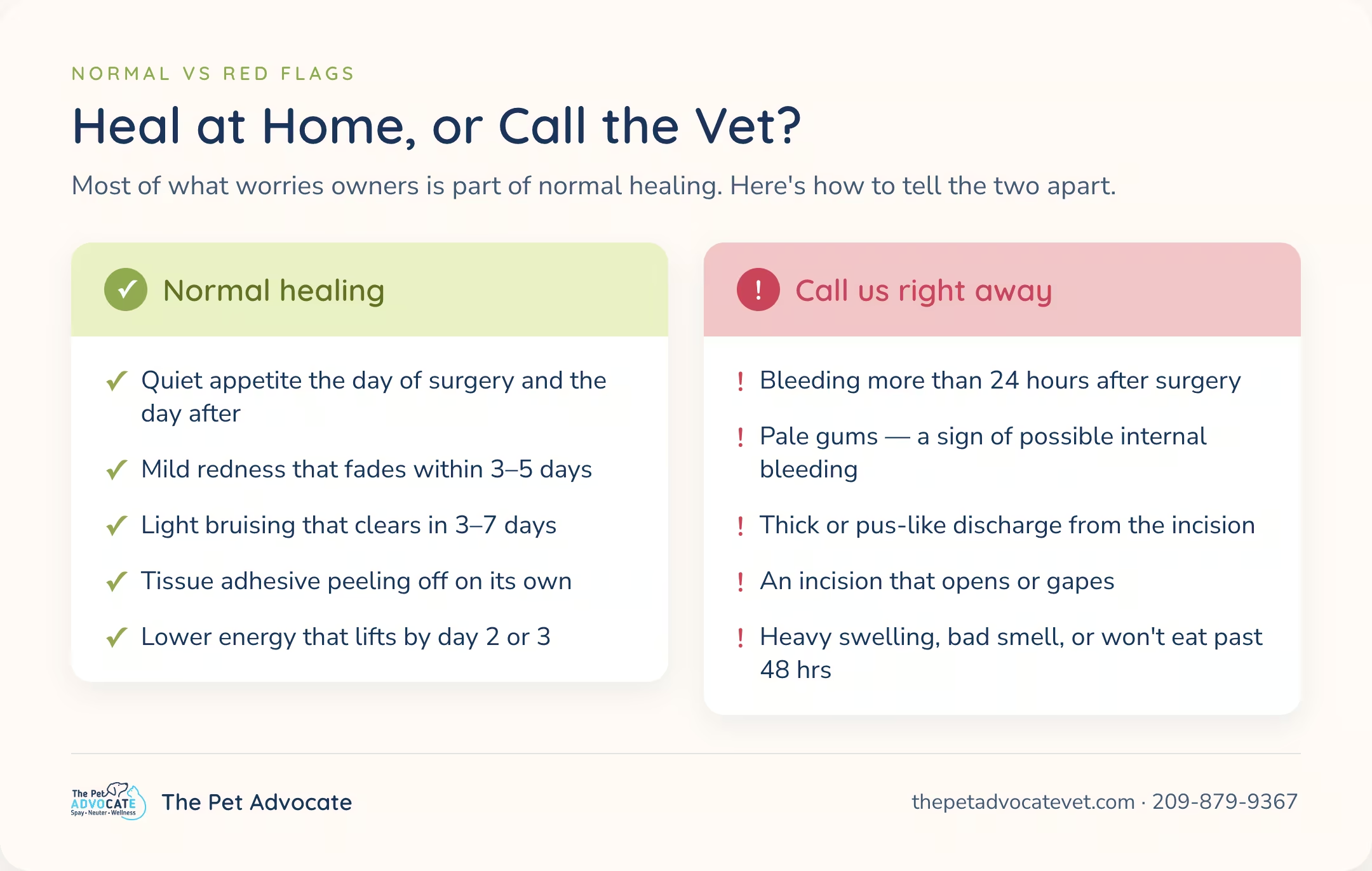
Most of what worries owners is part of normal healing. Sorting the two is the most useful thing I can give you.
In the first days after surgery, these signs are normal:
Call us if you see any of these:
Complications are rare. We run under a one percent recheck rate, so fewer than one in 100 pets comes back for a post-surgical problem. When a problem does show up, calling us soon makes it easier to handle.
Keep the cone on for the full 14 days. The incision finishes its primary healing around day 7, but a dog can reopen it by licking even after it looks closed. A soft recovery suit works as an alternative, as long as something stays on until the recovery window ends.
Keep the incision dry for about 10 to 14 days, until it has healed. Water can loosen the protective adhesive and raise the risk of infection while the incision is still closing. Spot clean any mess until your dog is cleared.
A healthy spay incision looks clean and closed, with the edges sitting together. A little redness in the first few days is normal and fades within three to five days. You should not see large swelling, sutures on the outside, or any thick discharge.
An infected incision may show thick or pus-like discharge, spreading redness, heat, swelling, or a bad odor. Bleeding more than 24 hours after surgery and pale gums are also reasons to call. Reach out as soon as you notice any of these.
Keep walks short, flat, and leashed for the 10 to 14 day recovery window. Most dogs return to running, jumping, and off-leash play after that, once the incision looks closed and flat. Your dog may feel ready sooner, while the inside still needs the time.
Set up a small, quiet space and skip anything that invites jumping or running. Food puzzles, lick mats, and stuffed chew toys tire the mind without straining the body. For high-energy dogs, ask us whether a calming medication makes sense.
A spay is one of the most common surgeries in veterinary medicine, and most dogs come through it without a hitch. Keep your dog rested and leashed, and leave the cone on for two weeks. Offer that first half portion of food, and look at the incision once a day.
If you are planning a spay or have a question partway through recovery, our team in Tracy is here to help. You can see what to expect on surgery day, learn about our low-cost spay and neuter services, or call the clinic with any concern.